7 Common Roofing Problems (And How to Fix Them)
Is your roof giving you headaches? Don't worry – you're not alone. Many homeowners face roofing problems at some point, and understanding how to fix them is essential. In this article, we'll explore seven common roofing problems and provide practical solutions to help you address them effectively.
One of the most common issues is a leaky roof. Whether it's due to poor installation, aged materials, or severe weather conditions, a leaking roof can cause significant damage and compromise the structural integrity of your home. We'll show you how to locate the source of the leak and provide step-by-step instructions on how to repair it.
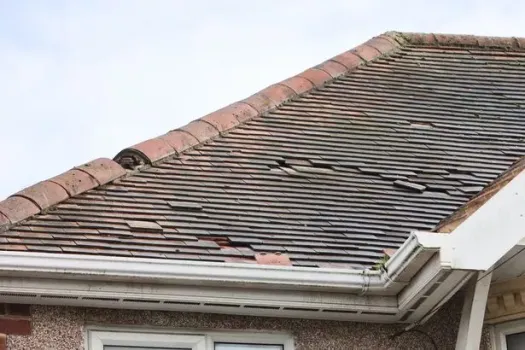
Another common problem is damaged or missing tiles. This can occur due to strong winds, falling debris, or simply wear and tear over time. We'll guide you through the process of replacing damaged tiles, ensuring your roof remains secure and protected.
From sagging roofs to clogged gutters, we've got you covered. Join us as we tackle these roofing issues head-on and equip you with the knowledge you need to maintain a safe and durable roof over your head.
Roof leaks and how to fix them
Roof leaks are one of the most common and frustrating roofing problems that homeowners face. These pesky issues can lead to water damage, mold growth, and even structural problems if left unaddressed. Identifying and resolving roof leaks is crucial for maintaining the integrity of your home and ensuring a dry, comfortable living environment.
The first step in fixing a roof leak is to locate the source of the problem. This can be a challenging task, as leaks often occur in areas that are not immediately visible. Start by inspecting your roof during a rainstorm, paying close attention to any areas where water is entering your home. Look for discolored or stained ceilings, walls, or attic insulation, as these can be telltale signs of a leak.
Once you've identified the general area of the leak, it's time to conduct a more thorough inspection. Climb up onto your roof and examine the tiles, flashing, and other roofing components for any signs of damage or deterioration. Look for cracks, holes, or missing sealant that could be allowing water to infiltrate. If the leak is located around a roof penetration, such as a vent or skylight, the issue may be with the flashing or sealant in that area.
If the leak is caused by a damaged or missing tile, the solution is relatively straightforward. Simply replace the affected tile with a new one, making sure to properly seal and secure it in place. For larger areas of tile damage, you may need to replace multiple tiles to ensure a watertight seal.
In some cases, the leak may be caused by a more complex issue, such as a problem with the roof's underlayment or a structural issue. In these situations, it's often best to consult with a professional roofing contractor who can thoroughly inspect the roof and provide a comprehensive solution. They may recommend a more extensive repair, such as replacing the entire roof or addressing underlying structural problems.
Remember, addressing roof leaks promptly is crucial to prevent further damage and costly repairs down the line. By being proactive and addressing these issues as soon as they arise, you can protect your home and ensure the longevity of your roof.
Damaged or missing tiles: causes and solutions
Damaged or missing roof tiles can be a common problem for many homeowners, and it's essential to address these issues promptly to maintain the integrity and appearance of your roof. These issues can arise due to a variety of factors, and understanding the causes can help you find the right solution.
One of the primary causes of damaged or missing tiles is severe weather conditions, such as high winds, hail, or heavy snowfall. These extreme weather events can dislodge or crack tiles, leaving your roof vulnerable to leaks and further damage. Additionally, the natural aging process of roof tiles can also lead to cracks, chips, or complete loss over time.
Another common cause of tile damage is falling debris, such as tree branches or objects blown onto the roof during a storm. This type of impact can cause individual tiles to crack or shatter, creating gaps in your roof's protective layer. Improper installation or poor-quality tiles can also contribute to this problem, as they may be more susceptible to damage over time.
When it comes to addressing damaged or missing tiles, the first step is to conduct a thorough inspection of your roof. Carefully examine each tile, looking for any signs of cracking, chipping, or displacement. If you find any damaged tiles, it's essential to replace them as soon as possible to prevent further issues.
Replacing a damaged tile is a relatively straightforward process, but it's important to take the necessary precautions to ensure the new tile is properly secured and sealed. Start by carefully removing the damaged tile, taking care not to cause any additional damage to the surrounding tiles or the roof's underlying structure. Once the old tile is removed, clean the area thoroughly and apply a high-quality sealant or adhesive before installing the new tile.
In cases where multiple tiles are damaged or missing, it may be necessary to replace a larger section of the roof. This can be a more complex and time-consuming process, but it's essential to maintain the overall integrity of your roof. If you're unsure about the extent of the damage or how to proceed, it's always best to consult with a professional roofing contractor who can assess the situation and provide the appropriate solution.
By addressing damaged or missing tiles promptly, you can help to prevent further issues, such as leaks, water damage, and even structural problems. Regular roof inspections and proactive maintenance can go a long way in keeping your roof in top condition and protecting your home from the elements.
Dealing with roof ventilation issues
Proper roof ventilation is crucial for maintaining the health and longevity of your home's roofing system. Inadequate ventilation can lead to a variety of problems, including moisture buildup, mold growth, and even premature deterioration of roofing materials. Understanding the common ventilation issues and how to address them is essential for homeowners.
One of the most common roof ventilation problems is a lack of adequate airflow. This can occur when the roof's ventilation system, such as ridge vents, soffit vents, or gable vents, is not properly designed or installed. Insufficient ventilation can cause warm, moist air to become trapped in the attic, leading to condensation, mold, and even structural damage over time.
To address this issue, it's important to ensure that your roof's ventilation system is functioning correctly. This may involve adding additional vents, improving the airflow through existing vents, or even replacing the entire ventilation system. A professional roofing contractor can assess your roof's ventilation needs and recommend the best solution to improve airflow and prevent moisture-related problems.
Another common ventilation problem is the presence of blocked or clogged vents. Over time, debris such as leaves, twigs, or even nesting animals can obstruct the airflow through your roof's vents, reducing their effectiveness. This can lead to the same issues as a lack of ventilation, including moisture buildup and potential damage to your roofing materials.
To address blocked or clogged vents, it's essential to regularly inspect and clean them. Use a vacuum cleaner or a soft-bristled brush to remove any debris that may be obstructing the airflow. If the problem persists or if you notice any signs of damage to the vents themselves, it's best to consult with a professional roofing contractor who can provide a more comprehensive solution.
In some cases, the ventilation issues may be related to the roof's design or the overall airflow within the attic space. For example, if the attic is not properly insulated, it can lead to temperature fluctuations and uneven airflow, which can contribute to ventilation problems. In these situations, a more comprehensive solution may be required, such as improving the attic's insulation or even restructuring the roof's ventilation system.
By addressing roof ventilation issues promptly, you can help to prevent a wide range of problems, from moisture buildup and mold growth to premature deterioration of your roofing materials. Regular inspections and proactive maintenance are key to maintaining a healthy, well-ventilated roof.
Addressing issues with roof flashing
Roof flashing is a critical component of your roofing system, responsible for directing water away from vulnerable areas and preventing leaks. However, flashing can be susceptible to a variety of issues that can compromise its effectiveness and lead to serious problems if left unaddressed.
One of the most common flashing-related problems is deterioration or damage. Over time, the materials used in flashing, such as metal or sealant, can wear down due to exposure to the elements, leading to cracks, holes, or complete failure. This can allow water to seep into the underlying roof structure, causing leaks and potential water damage.
Another issue with roof flashing is improper installation or placement. If the flashing is not properly integrated with the roofing materials or positioned in the correct locations, it may not effectively direct water away from vulnerable areas, such as chimneys, vents, or skylights. This can result in water pooling and eventually seeping into the roof, leading to leaks and damage.
To address issues with roof flashing, the first step is to conduct a thorough inspection of the flashing in vulnerable areas. Look for any signs of damage, such as cracks, gaps, or loose flashing. If you notice any problems, it's important to take action promptly to prevent further damage.
In some cases, repairing damaged flashing may be as simple as applying a new layer of sealant or adhesive to fill in cracks or gaps. For more extensive damage, it may be necessary to replace the flashing entirely. This can be a more complex process, but it's essential to ensure that the new flashing is properly installed and sealed to prevent future issues.
Improperly installed flashing may require a professional roofing contractor to correct the problem. They can assess the flashing's placement and integration with the roof, making any necessary adjustments to improve its effectiveness. In some cases, this may involve reconfiguring the flashing or adding additional layers of protection to vulnerable areas.
By addressing flashing issues promptly, you can help to prevent leaks, water damage, and other potential problems. Regular inspections and maintenance of your roof's flashing are essential for ensuring its continued effectiveness and protecting your home from the elements.
Conclusion
Maintaining your roof and addressing common problems as they arise is key to protecting your home from the elements. Whether it's fixing leaks, replacing damaged tiles, or ensuring proper ventilation, taking a proactive approach to roof maintenance can save you time, money, and stress in the long run. If you're ever unsure about how to handle a roofing issue, don't hesitate to consult a professional roofing contractor for expert advice and assistance.
Cousins Roofing Guide
- How Long Does A Roof Last? Expert Guide From Your Trusted Roofer In Orpington
- How much should roof repairs cost in Orpington?
- The Benefits of Hiring a Professional Roofing Repair Specialist
- All You Need to Know: Does Building Insurance Cover Roof Repairs?
- 5 Essential Steps for a Successful Roof Leak Repair: Expert Tips and Tricks
- Discover the Best Roofers Near You: Your Ultimate Guide to Finding Reliable Roofing Services
- 7 Common Roofing Problems (And How to Fix Them)
- Roof Rescue: A Comprehensive Guide to Repairing a Stubborn Roof Leak